
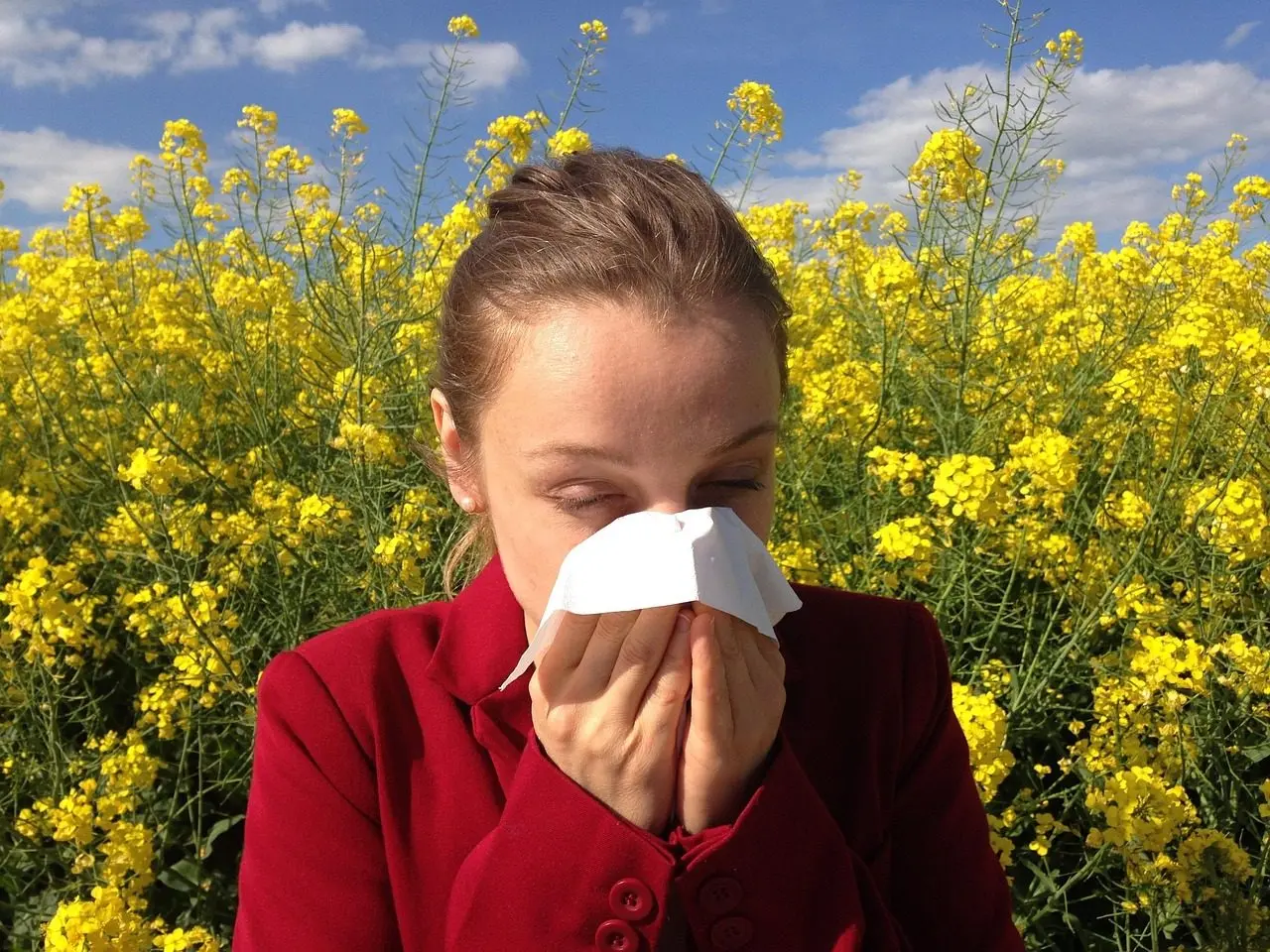
Spring allergies are in full force across Missouri, and if over the counter meds aren’t bringing relief, it may be time to rethink your approach.
University of Missouri Health Care allergy specialist Dr. Christine Franzese says there are some simple steps people can take to help reduce allergy symptoms.
“Wraparound sunglasses, the kind that are very tight to your face, can reduce pollen exposure. Changing your clothes when you come indoors, taking a shower, can all be very helpful in reducing exposures,” Franzese says
Franzese says allergy season in Missouri can last most of the year, starting with tree pollen in late winter, rolling into grass allergies in summer, and ending with weeds like ragweed until the first hard frost. She adds Missouri’s weather and airborne irritants play a major role in allergy symptoms.
“Wildfire smoke, while it’s not an allergen, it’s an irritant and it contributes to that inflammation that people get in their nose and their lungs. Flash flooding. That flooding, we get a lot of standing waters. It’s bad for people with mold allergies,” Franzese explains
Franzese says doctors are seeing more cases of something called pollen food syndrome.
“That’s where there are certain proteins in some pollens that are very similar to proteins in some foods. And when you eat those foods, your body just reacts like you ate a bunch of pollen and it can cause worsening of your regular allergy symptoms to food allergy-like symptoms,” Franzese says.
Franzese says some common allergy medications, including Benadryl, have been linked to possible long term harmful effects.
“Try to avoid Benadryl use. If you need to use it, you can, but we do have that association if you use it chronically with dementia. So, we really try to avoid those first-generation antihistamines because of that. So, if you’re having to use like daily Benadryl, that’s when you really want to seek care,” Franzese says
Missourinet